
Rhaetian Railway not only connects towns, but also railways across continents. Our partner railways stand for common pioneering spirit, active exchange and tourism bridges between regions. Get to know three special partnerships: the Hakone Tozan Railway in Japan, the Mariazell Railway in Austria and the Alishan Forest Railway in Taiwan.
Hakone Tozan Railway
Japan
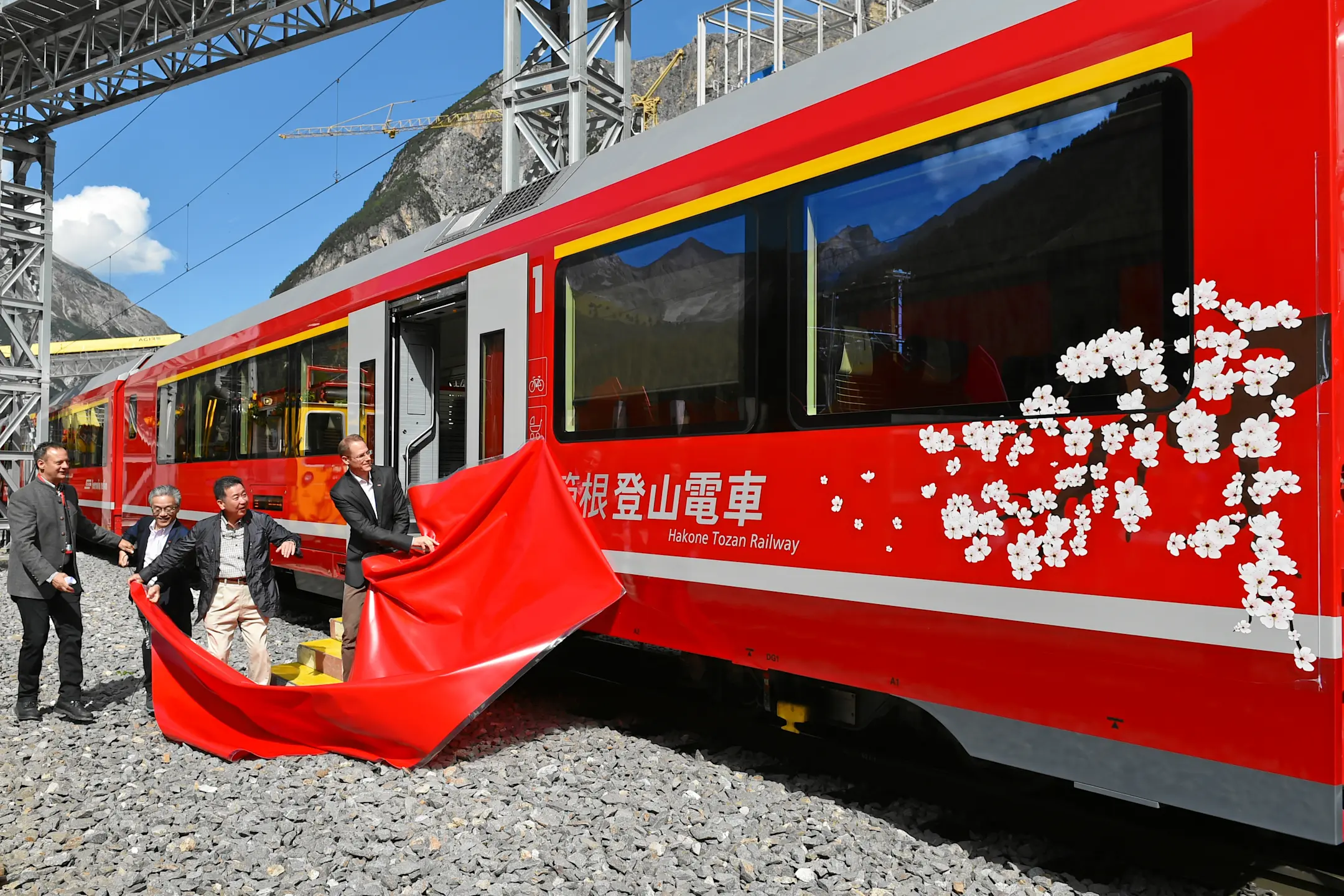
The connection between RhB and the Hakone Tozan Railway dates back to 1912, when a Japanese engineer chose the Bernina Line as a model for a railway in the difficult terrain of Hakone. The partnership has been officially established since 1979 and aims to promote tourism in both countries. It is nurtured through technical exchanges of experience, mutual visits and symbolic gestures, such as cowbells in Japan, Japanese station names in Switzerland and special train designs. There has been a Japan compartment on the RhB Alvra train since 2016, while trains in the design of the Glacier Express and Bernina Express run in Japan.
Mariazell Railway
Austria
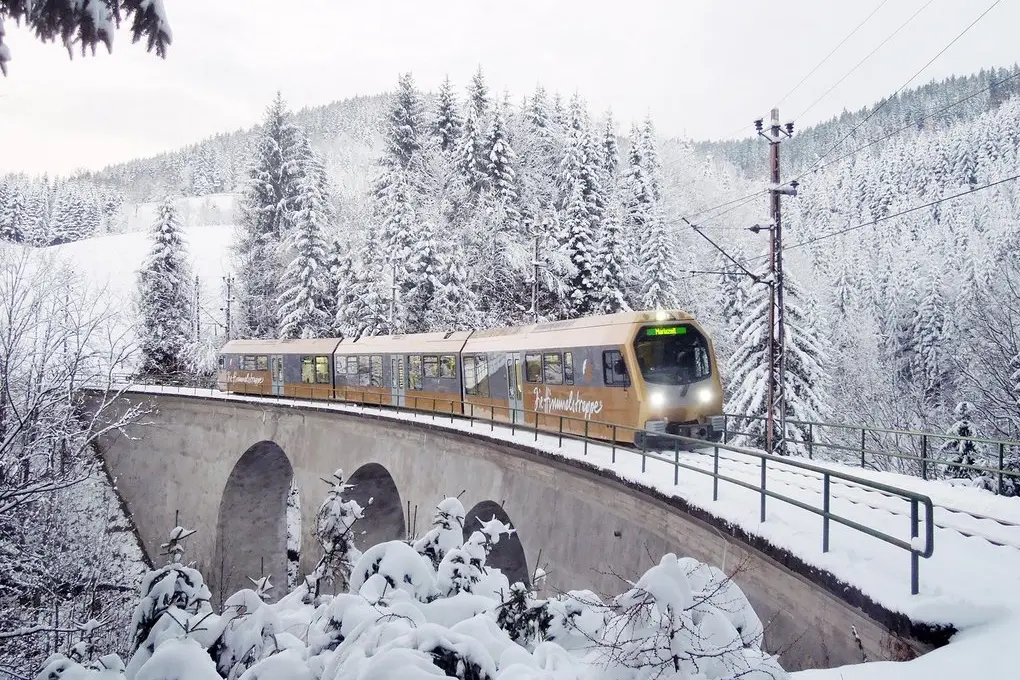
The Mariazell Railway has been RhB’s official partner railway since 22 September 2020. The aim of the partnership is to increase the visibility of both railways in their regions and to offer each other advertising platforms. Both are narrow-gauge railways, with the Mariazell Railway having an even narrower gauge of 760 millimetres. It runs over 84 kilometres from St. Pölten to Mariazell, crosses 19 viaducts and runs through 21 tunnels, making it the longest narrow-gauge railway in Austria.
Alishan Forest Railway
Taiwan
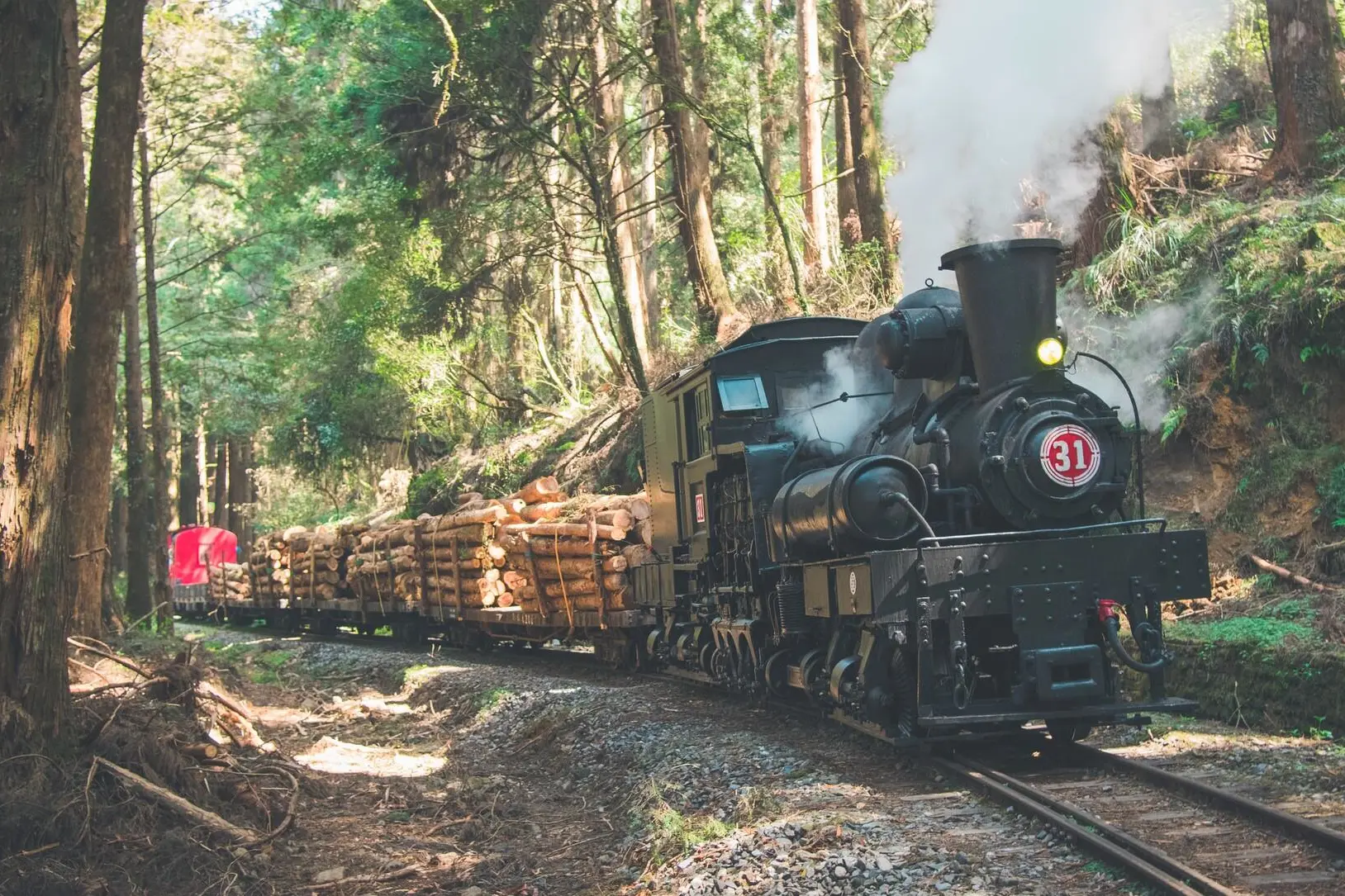
On 1 June 2026, the Alishan Forest Railway and the RhB signed a partnership agreement, thereby opening a new chapter in international railway cooperation and cultural exchange. The Alishan Forest Railway runs through the south-western part of Taiwan’s central mountain range: it begins in Chiayi City, passes through Zhuqi and Meishan, and ends in Alishan. The main line is 71.4 kilometres long and has a track gauge of 762 mm – typical for mountain railways that have to negotiate steep and challenging terrain. The route traverses an impressive landscape from the lowlands to the high mountains (30 to 2,451 metres above sea level), connecting various climate zones along the way.